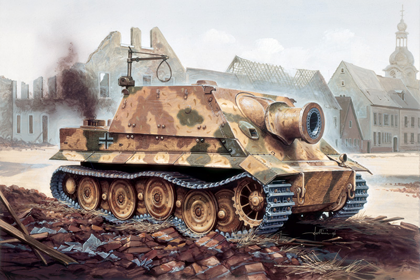
This is the Italeri 0299 kit in 1/35 scale, of the ‘German Sturmmörser Tiger mit 38 cm RW 61’.
History
Only few units of the Sturmtiger were built and were mainly used in 1994 at the Eastern front.
This is the Italeri 0299 kit in 1/35 scale, of the ‘German Sturmmörser Tiger mit 38 cm RW 61’.

Only few units of the Sturmtiger were built and were mainly used in 1994 at the Eastern front.
This is the Italeri 6514 kit in 1/35 scale, of the ‘German Pz.Kpfw.IV Ausf. F1/F2, early version’.

The Panzer IV was the most extensively used German tank during the Second World War. It represented the “backbone” of the German Panzer Divisions on all operational theaters.The production of Panzer IV Ausf. F, started in 1941, marked a decisive boost in the evolution of the tank. It featured an improved armor on the turret and hull.
The first version of Panzer IV F, featuring the traditional 7.5 cm. KwK 37 short-barreled cannon, were not able to fight successfully against the Soviet T-34 and KV-1 heavy armoured tank.The adoption of the anti-tank design KwK 40 long-barreled cannon, on the Ausf. F2 version, has decisively increased the Panzer IV effectiveness against enemy tanks.
Thanks to its new high velocity and high penetration gun, the Panzer IV became, once again, “lethal” on the battlefields.
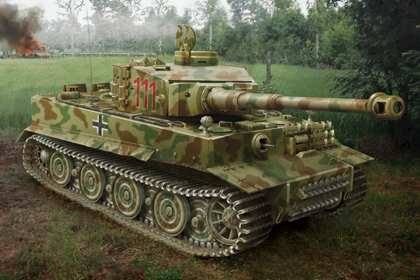
This is the Italeri 6487 kit in 1/35 scale, of the ‘German Panzerkampfwagen VI, Tiger I – Hybrid’.

Period photos show that at the moment of Germany’s defeat, many vehicles had been collected in factories, and were ready to be put back in operation by replacing worn-out or combat-damaged parts. Reliable sources confirm that the last Tigers to come out of assembly lines were reconstructed with salvaged materials: 54 hulls and 32 turrets of the first series, possibly from tanks used in training units.Their wheels were replaced by the latest, full-metal ones, and on some tanks the anti-magnetic “Zimmerit” paste was applied directly in the factory. These tanks were assigned to training schools to form new crews.
In the last weeks of war, they took part in the last engagements of the various Kampfgruppe (combat groups formed with units coming from different detachments) that were trying to stop the Allied units swarming over Germany from East and West.
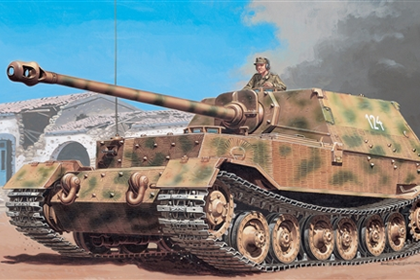
This is the Italeri 0211 kit in 1/35 scale, of the ‘German Panzerjäger Elefant’.

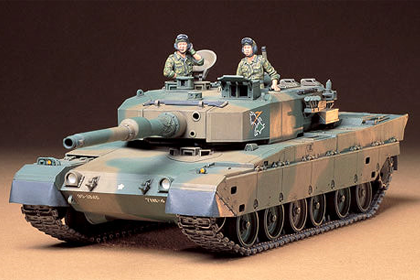
This is the Tamiya 35 208 kit in 1/35 scale, of the ‘JGSDF Type 90 Tank’.

The Type 90 tank is the current main battle tank (MBT) of the Japan Ground Self-Defense Force (JGSDF). It is built by Mitsubishi Heavy Industries and was designed as a replacement for all deployed Type 61s and a portion of their Type 74 tanks, and entered service in 1990. It is slated to be complemented by the Type 10.
The Type 90 mounts a licensed copy of the German Rheinmetall L44 120mm smoothbore cannon product by Japan Steel Works Limited. This is the same gun that is mounted on the German Leopard 2, American Abrams, and the South Korean K1A1 tanks. The gun is armed and loaded through a mechanical bustle autoloader (conveyor-belt type), developed by Mitsubishi of Japan.
The Type 90 tank is the first western tank to achieve manpower savings by reducing the crew to three through the development of the turret bustle autoloader (with the exception of the turretless Strv 103). This design allows the tank crew to operate without a loader, which allows the use of a smaller turret.
![]()
This is the Eduard, photo etch set for the ‘British Cromwell Cruiser Tank Mk.IV‘ from Tamiya.
Detail set |
Tamiya |
||||
| (35 184) | Basic | ||||
Source: Eduard

Aftermarket plastic wheels for my German vehicles, in 1/35 scale.
Please verify the vendor’s website, before using the information below
Panser III |
|||||||
| Pz.Kpfw.III, Ausf.A | A-6 | ||||||
| Pz.Kpfw.III, Ausf.B | A-6 | ||||||
| Pz.Kpfw.III, Ausf.E | A-6 | ||||||
| Pz.Kpfw.III, Ausf.F | A-6 | ||||||
| Pz.Kpfw.III, Ausf.G | A-6 | ||||||
| Pz.Kpfw.III, Ausf.H | A-6 | ||||||
| Pz.Kpfw.III, Ausf.J, Initial | A-6 | ||||||
| Pz.Kpfw.III, Ausf.J | A-6 | ||||||
| Pz.Kpfw.III, Ausf.K | A-6 | ||||||
| Pz.Kpfw.III, Ausf.L | A-6 | ||||||
| Pz.Kpfw.III, Ausf.M | A-6 | ||||||
| Pz.Kpfw.III, Ausf.N | A-6 | ||||||
Panzer IV |
|||||||
| Pz.Kpfw.IV, Ausf.A | |||||||
| Pz.Kpfw.IV, Ausf.B | |||||||
| Pz.Kpfw.IV, Ausf.C | |||||||
| Pz.Kpfw.IV, Ausf.D | |||||||
| Pz.Kpfw.IV, Ausf.E | |||||||
| Pz.Kpfw.IV, Ausf.F | |||||||
| Pz.Kpfw.IV, Ausf.F2 | |||||||
| Pz.Kpfw.IV, Ausf.G | |||||||
| Pz.Kpfw.IV, Ausf.H | |||||||
| Pz.Kpfw.IV, Ausf.J | |||||||
| Pz.Kpfw.IV, Bergepanzer | |||||||
| Pz.Kpfw.IV, Brückenleger | |||||||
| Pz.Kpfw.IV, Möbelwagen | |||||||
| Pz.Kpfw.IV, Ostwind | |||||||
| Pz.Kpfw.IV, Wirbelwind | |||||||
Heavy |
|||||||
| Tiger I, Initial | |||||||
| Tiger I, Early | |||||||
| Tiger I, Middle | |||||||
| Tiger I, Late | |||||||
Destroyer |
|||||||
| Elefant | |||||||
| Nashorn | |||||||
Assault |
|||||||
| StuG III, Ausf.A | A-6 | ||||||
| StuG III, Ausf.B | A-6 | ||||||
| StuG III, Ausf.C/D | A-6 | ||||||
| StuG III, Ausf.D | A-6 | ||||||
| StuG III, Ausf.E | A-6 | ||||||
| StuG III, Ausf.F | A-6 | ||||||
| StuG III, Ausf.F/8 | A-6 | ||||||
| StuG III, Ausf.G | A-6 | A-7 | |||||
| StuG III, Ausf.G – L/48 | A-6 | A-7 | |||||
| StuG IV | |||||||
| StuG IV, Sd.Kfz.167 | |||||||
| StuG IV – L/48 | |||||||
| StuG IV, Sd.Kfz.1 | |||||||
| Sturmtiger | |||||||
Half-track |
|||||||
| Sd.Kfz.7 | |||||||
| Sd.Kfz.9, Famo |
Source: Modelkasten
This is the Lifecolor CS-22 paint set, with colors for ‘Axis Tank Interiors’.

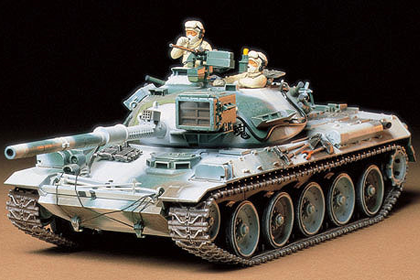
This is the Tamiya 35 168 kit in 1/35 scale, of the ‘JGSDF Type 74 Tank, Winter version’.

The Type 74 is a main battle tank (MBT) of the Japan Ground Self-Defense Force (JGSDF). It was built by Mitsubishi Heavy Industries as a replacement for the earlier Type 61.
It was based on the best features of a number of contemporary designs, placing it in the same class as the US M60 Patton or German Leopard 1. Like these designs, it mounts the M68 105mm gun.
The design did not enter widespread use until 1980, by which point other western forces were starting the introduction of much more capable designs.
![]()
This is the Eduard, photo etch sets for the ‘German 15 cm s.IG.33 (Sf) auf Pz.Kpfw.I Ausf.B‘ from Alan (Might also fit the Dragon kit).
Detail set |
Alan |
||||
| (35 813) | Basic | ||||
Source: Eduard
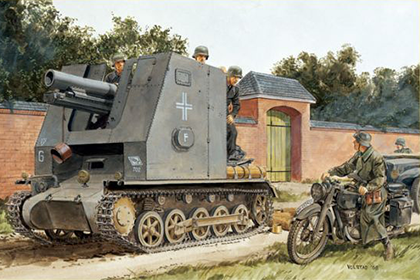
This is the Dragon 6259 kit in 1/35 scale, of the ‘German 15cm s.IG.33 (Sf) auf Pz.Kpfw.I Ausf.B’, sometimes referred to as the Sturmpanzer I Bison.

It was recognized early on that mobile artillery could provide invaluable fire support to tank units, so the mounting of a 150mm s.IG.33 infantry gun resulted in a vehicle known as an s.IG.33 (Sf) auf Pz.Kpfw.I Ausf.B. The gun was mounted in a tall, boxy superstructure, though the chassis of the Panzer I was overstressed by the extra weight. The armored shield was only 10mm thick and could only offer front and side protection, plus there was no space for spare ammunition to be carried.
Ultimately, this ungainly and top-heavy artillery piece wasn’t a great success and only 38 were converted in February 1940 by Alkett. These guns served in the Battle of France and beyond, though as the war progressed, the 150mm s.IG.33 gun would be mounted on alternative chassis too.
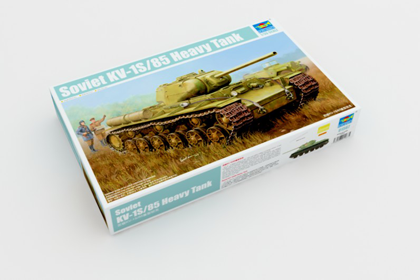
This is the Trumpeter 01567 kit in 1/35 scale, of the ‘Russian Heavy Tank, KV-1S/85’.

In response to criticisms, the lighter KV-1S (Russian language: КВ-1С) was released, with thinner armour and a smaller, lower turret in order to reclaim some speed. Importantly, the KV-1S also had a commander’s cupola with all-around vision blocks, a first for a Soviet heavy tank.
However, the thinning-out of the armor called into question why the tank was being produced at all, when the T-34 could seemingly do everything the KV could do and much more cheaply. The Soviet heavy tank program was close to cancellation in mid-1943.